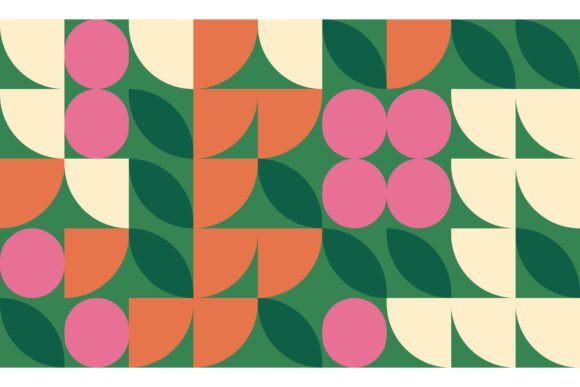
Geometric Vector Shape Patterns for Bold Design
In a digital landscape saturated with photorealistic imagery and complex gradients, there is a distinct power in returning to the basics. Geometric vector shape patterns offer a timeless solution that bridges the gap between primitive simplicity and modern sophistication. When you combine simple abstract forms with a spectrum of bold colors, you create a visual language that speaks directly to the viewer's sense of order and energy. These designs are not merely decorative; they are functional tools that can elevate branding, enhance user interfaces, and provide a structured foundation for creative projects.
The appeal of this aesthetic lies in its versatility. Whether you are a freelance graphic designer crafting a logo for a tech startup or an educator creating engaging materials for children, the ability to manipulate basic shapes like circles, triangles, and spirals into cohesive patterns is invaluable. This approach allows for infinite variation without losing clarity. A collection of simple abstract geometric vector shape patterns provides a library of elements that can be rearranged, resized, and recolored to fit any context while maintaining a professional finish.
The Power of Bold Color and Primitive Forms
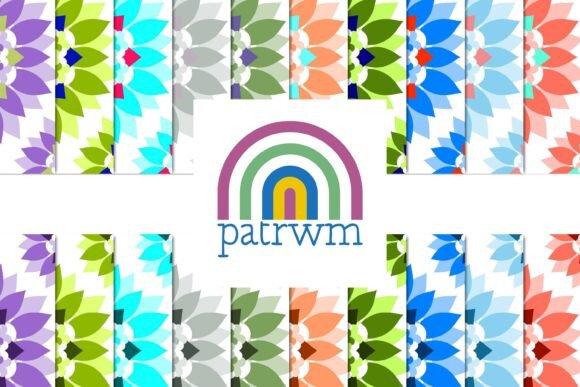
At the heart of this design style is the interplay between structure and vibrancy. Unlike organic patterns that rely on natural imperfections, geometric designs thrive on precision. The use of a vibrant color palette transforms these rigid structures into dynamic compositions. Imagine a spiral flower motif rendered in electric blue against a deep crimson background; the contrast creates movement and draws the eye immediately to the center of the design.
This combination of primitive minimal elements and bold hues serves several psychological purposes. It reduces cognitive load by presenting information in a clean, organized manner, yet it remains exciting enough to capture attention. For marketers and entrepreneurs, this balance is crucial. You need your content to stand out in a crowded feed, but you also want to avoid overwhelming your audience with chaos. Geometric patterns provide a framework that guides the viewer's gaze naturally through the composition.
- Spiral motifs: These add a sense of rotation and growth, perfect for themes related to evolution, nature, or continuous improvement.
- Angular shards: Sharp triangles and zig-zags convey energy, speed, and innovation, ideal for technology or sports-related projects.
- Repeating grids: Simple squares and rectangles build trust and stability, making them excellent backgrounds for data visualization or corporate identity.
Creative Applications Across Industries
The utility of Geometric Vector Shape Patterns extends far beyond simple decoration. Because vectors are resolution-independent, these assets scale effortlessly from a tiny mobile app icon to a massive billboard. This scalability makes them a favorite among small business owners who need consistent branding across various platforms.
For web designers, these patterns serve as excellent texture layers. Instead of using heavy photographic backgrounds that slow down page load times, a subtle overlay of geometric shapes adds depth and interest without compromising performance. A blogger might use a spiral pattern to break up long blocks of text, creating visual rest points that encourage readers to continue scrolling.
Product packaging is another area where this style shines. In retail environments, products compete for seconds of attention. A box featuring a vibrant, abstract geometric pattern can communicate quality and modernity instantly. By selecting a specific color spectrum that aligns with the product's mood—warm tones for food items, cool blues for cleaning supplies—you can subconsciously influence consumer perception before they even read the label.
Adapting Styles for Specific Audiences
Different audiences respond to different levels of complexity. While a group of architects might appreciate a monochromatic, highly technical grid pattern, a toy manufacturer will benefit from the playful chaos of overlapping bright circles and stars. The key is to adapt the "collection of simple abstract geometric vector shape patterns" to the tone of your message.
- Minimalist Approach: Reduce the number of shapes and limit the color palette to two or three tones. This works well for luxury brands or high-end software interfaces where elegance is paramount.
- Educational Context: Use primary colors and clear, distinct shapes. This helps learners distinguish between concepts and keeps the focus on the content rather than the decoration.
- Event Branding: Go bold. Mix large-scale geometric elements with a full spectrum of colors to create a festive, energetic atmosphere for conferences or parties.
Practical Tips for Effective Implementation
To ensure your results remain clear, effective, and original, it is essential to maintain consistency throughout your project. One common mistake is overloading a design with too many competing patterns. If you choose a spiral flower element as a focal point, keep the surrounding areas relatively quiet to let that feature breathe. Conversely, if you are creating a background, ensure the repetition is seamless so that no obvious breaks disrupt the flow.
Organization is equally important when working with these assets. Keep your layers named and grouped logically. When dealing with complex patterns composed of multiple primitive elements, having a structured file management system allows you to tweak individual components without rebuilding the entire design. This workflow efficiency is critical for freelancers and publishers who often work under tight deadlines.
Furthermore, consider the accessibility of your designs. High-contrast geometric patterns are generally accessible, but be mindful of color combinations that might be difficult for users with color vision deficiencies. Testing your patterns in grayscale can help you determine if the shapes themselves provide enough distinction, independent of color.
Building a Unique Visual Identity
Ultimately, the goal of using Geometric Vector Shape Patterns is to contribute to a unique visual identity. While templates and stock collections are available, the most memorable designs come from customizing these elements to tell a specific story. Take a standard spiral shape and distort it slightly. Swap a traditional square for a hexagon. Change the angle of a line to suggest motion. These small adjustments transform generic assets into proprietary design language.
For hobbyists and creators looking for inspiration, the process should be experimental. Don't be afraid to layer shapes, mix scales, and play with opacity. The beauty of vector graphics is that nothing is permanent until you commit to it. This freedom encourages a mindset of iteration, where each attempt brings you closer to a result that feels authentic and grounded.
By grounding your creativity in the principles of geometry and color theory, you create work that is both aesthetically pleasing and functionally robust. Whether you are designing a website, printing a brochure, or simply exploring your own artistic potential, the spectrum of bold colors and simple abstract forms offers a reliable path to success. Embrace the structure, unleash the color, and let the patterns guide your vision.