Antique Valentine Postcard Patterns: A Review for Creative Professionals
In the crowded landscape of digital design assets, finding a collection that balances historical authenticity with modern utility is often a challenge. Antique Valentine Postcard Patterns attempts to bridge this gap by offering a curated set of digital papers inspired by late 19th and early 20th-century romantic ephemera. For professionals ranging from small business owners creating physical merchandise to digital marketers designing seasonal campaigns, the value of such an asset lies not just in its aesthetic appeal, but in its technical specifications and versatility across various mediums.
The Core Offering and Technical Specifications
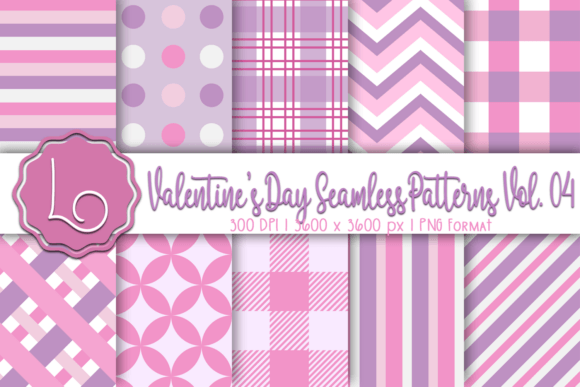
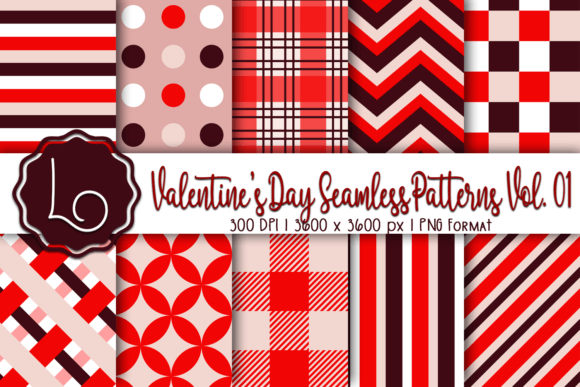
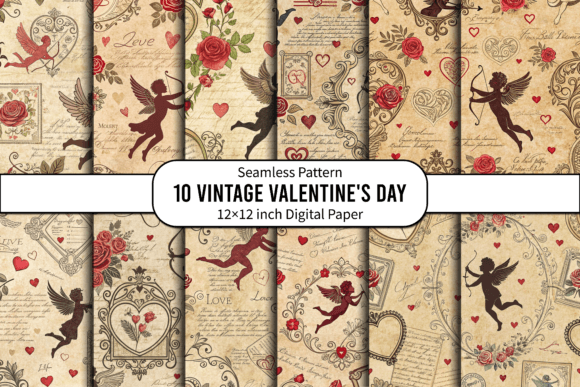
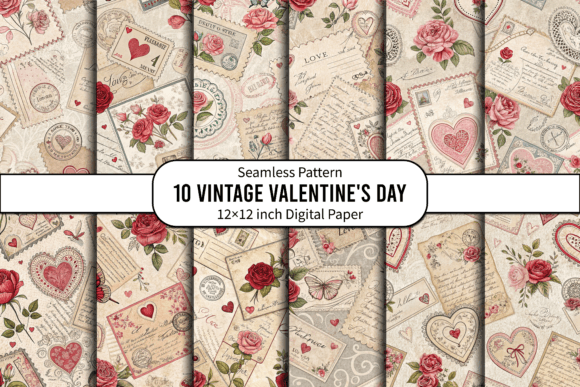
The foundation of this product is a collection of ten distinct high-resolution patterns. Unlike many generic clipart packs that offer low-quality images suitable only for web display, this set prioritizes print fidelity. Each pattern is provided as both a PNG file and a JPEG file, ensuring compatibility with a wide range of software environments. The resolution is set at 300 DPI, which is the industry standard for professional printing. This specification is critical for users who intend to produce tangible goods, such as t-shirts, bottle caps, or magnets, where pixelation can ruin the final product's perceived quality.
The dimensions are standardized at 12 x 12 inches (305 x 305 mm), translating to 3600 x 3600 pixels. This square format is particularly advantageous for scrapbooking, card making, and social media graphics, allowing designers to crop freely without losing integrity. The inclusion of both PNG and JPEG formats offers practical flexibility; the PNG files preserve transparency if the background needs to be isolated, while the JPEGs provide smaller file sizes for faster loading on websites or easier handling in email attachments.
Aesthetic Analysis: Authenticity vs. Modern Application
The visual language of Antique Valentine Postcard Patterns draws heavily from the Victorian and Edwardian eras. The designs incorporate elements such as faded handwritten scripts, ornate borders, and aged parchment textures. These are not merely flat colors; they simulate the wear and tear of time, including subtle discolorations and paper grain that add depth to digital compositions. This "shabby chic" aesthetic has seen a resurgence in popularity, driven by a consumer desire for nostalgia and tangible warmth in an increasingly digital world.
However, the success of these patterns depends on their application. In a professional context, the effectiveness of these textures relies on how well they integrate with modern typography and layout structures. The patterns are designed to be seamless, meaning they can be tiled indefinitely without visible breaks. This makes them ideal for creating backgrounds for large-scale projects, such as website headers, banner ads, or full-page magazine layouts. When used correctly, the vintage feel provides a sense of history and emotional resonance that solid colors or modern geometric patterns cannot replicate.
Practical Applications and Workflow Integration
The versatility of this digital pack extends far beyond simple greeting cards. For entrepreneurs and freelancers, the primary use case involves product creation. The high resolution allows for direct sublimation onto apparel, phone cases, and home decor items. Small business owners selling on platforms like Etsy or Shopify can leverage these assets to create unique product listings that stand out against mass-produced competitors. The ability to apply these patterns to jewelry, nail wraps, and magnets opens up diverse revenue streams for crafters.
Digital creators will find specific utility in using these patterns for UI/UX design. A website or blog focused on romance, weddings, or lifestyle content can benefit from the warm, inviting atmosphere these textures provide. Furthermore, educators and publishers might utilize the "love letter" and "handwritten note" aspects for educational materials related to history, literature, or creative writing workshops. The patterns serve as a visual anchor that can guide the user's emotional response to the content.
From a workflow perspective, the file organization is straightforward. Having ten distinct patterns ensures variety, preventing the monotony of repeating the same texture across a project. The consistency in resolution and color palette across all ten files suggests a cohesive design process, which is essential for maintaining brand identity in commercial products. Users do not need to spend hours adjusting brightness or contrast to make different files look uniform; they are ready to use immediately upon download.
Limitations and Considerations for Buyers
While the asset pack is robust, it is important to acknowledge its limitations. The aesthetic is strictly vintage. Designers looking for a minimalist, modern, or futuristic look will find these patterns unsuitable. The heavy reliance on "aged" textures means that the patterns may not work well on dark backgrounds without significant manipulation, as the light parchment tones could appear muddy or washed out. Additionally, the "handwritten" elements are decorative rather than functional text; they should not be used for legible communication in marketing copy.
Another consideration is the licensing terms, which are not explicitly detailed in the provided description but are crucial for commercial use. Professionals must verify whether the license allows for unlimited resale of finished products or if there are restrictions on the number of units sold. While the prompt mentions suitability for creating products to sell, the specific boundaries of that permission are a necessary due diligence step before launching a commercial line.
Who Should Invest in This Collection?
This resource is best suited for individuals who understand the power of thematic consistency in branding. It is particularly valuable for:
- Small Business Owners: Those producing physical goods who need high-resolution textures for printing.
- Freelance Graphic Designers: Professionals seeking quick, high-quality backgrounds to speed up their turnaround times for client projects.
- Social Media Managers: Marketers needing engaging, nostalgic visuals to drive engagement during February.
- Hobbyists and Crafters: Individuals creating personalized gifts, scrapbooks, or handmade items for personal use or local markets.
For those who prioritize efficiency and professional output, the time saved in sourcing individual textures or commissioning custom illustrations makes this pack a cost-effective solution. The transition from concept to final product is streamlined when the foundational assets are already optimized for print and digital use.
Final Assessment
Antique Valentine Postcard Patterns delivers on its promise of providing a touch of romance through high-quality digital assets. Its strength lies in the balance between historical charm and technical precision. By offering 300 DPI files in multiple formats, it caters to the rigorous demands of professional printing while remaining accessible for casual digital projects. While the aesthetic is niche, falling squarely within the vintage and shabby chic genres, the execution is clean and reliable. For anyone looking to infuse their projects with a sense of timeless sentimentality without compromising on image quality, this collection represents a solid investment. It is a tool that, when applied with thoughtful design, can elevate a project from a simple graphic to a compelling narrative piece.